
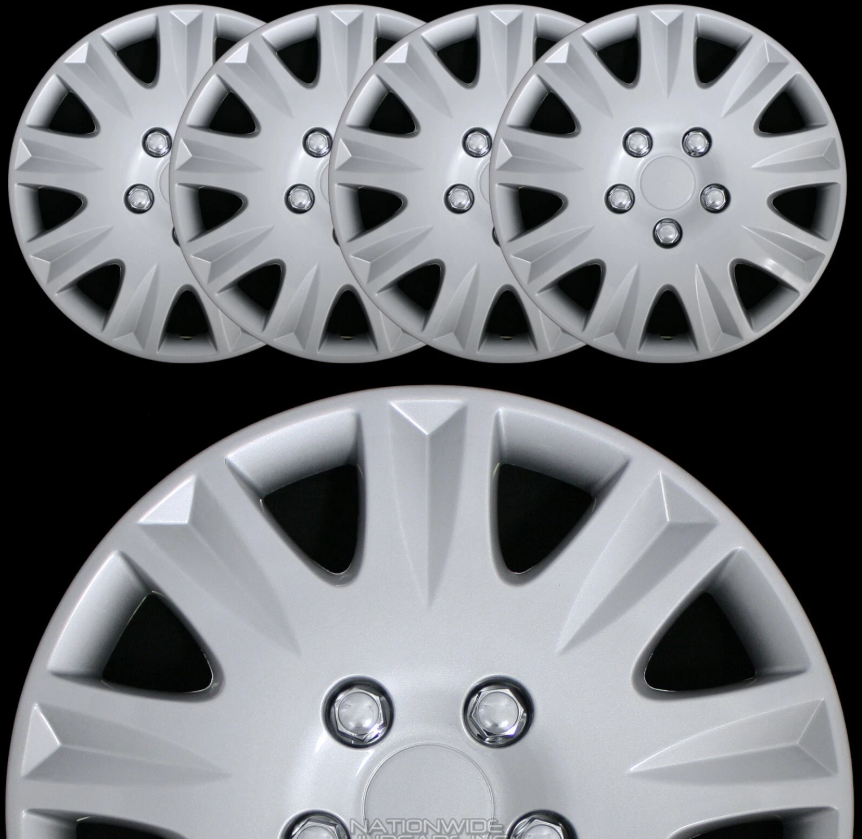
Wheel skins have quietly become one of the smartest solutions for vehicle owners who want a fresh, polished look without the high cost of new alloy wheels. Designed specifically to snap over existing rims, these covers deliver an instant upgrade that many drivers confuse with full wheel replacements or traditional hubcaps. Whether you are dealing with everyday curb rash on your daily driver or refreshing a fleet of trade-ins, wheel skins offer a practical path to better curb appeal. For car owners, body shops, dealerships, mechanics, insurance adjusters, and parts stores across the United States, they represent an affordable way to restore or enhance alloy wheel appearance while keeping expenses in check.
What Are Wheel Skins?
Wheel skins are precision-molded decorative overlays that fit directly onto factory alloy or steel wheels. Unlike simpler accessories, they are engineered to replicate the exact spoke patterns, contours, and overall design of original equipment manufacturer wheels. Made from durable automotive-grade ABS plastic, they provide a seamless, factory-like finish that transforms the visual profile of the wheel without any structural changes to the rim itself.
Many people initially mistake wheel skins for hubcaps or standard wheel covers. Hubcaps typically cover only the central lug-nut area, while traditional wheel covers are generally intended for basic steel wheels and focus more on basic protection than detailed styling. Wheel skins, by contrast, envelop the entire visible wheel face and are specifically created to mimic premium alloy designs. This distinction matters because alloy wheel skins deliver a more sophisticated, integrated appearance that blends naturally with modern vehicle aesthetics.
Why Wheel Skins Are a Smart Choice
Replacing a single damaged alloy wheel can easily run between $150 and $400 or more, depending on the make, model, and finish. In comparison, a quality set of wheel skins typically costs a fraction of that—often between $15 and $40 per wheel—making them an attractive option for budget-conscious upgrades or quick cosmetic repairs. For insurance claim adjusters handling minor curb damage or scuffs, wheel skins frequently serve as a cost-effective alternative that satisfies both repair standards and customer satisfaction without requiring full wheel replacement.
Beyond pure savings, wheel skins also protect the underlying wheel from additional road debris, brake dust, and minor impacts while maintaining the original rim’s integrity. Used car dealerships often turn to them when preparing trade-ins for the lot, instantly elevating the perceived value of vehicles with tired-looking factory wheels. Mechanics appreciate the value-add service they can offer clients who want an alloy wheel upgrade without the downtime or expense of new rims. In short, they deliver noticeable style improvements with minimal investment and virtually no risk to the vehicle’s performance.
Who Uses Wheel Skins?
A wide range of professionals and everyday drivers rely on alloy wheel skins for practical reasons. Individual vehicle owners with scuffed or scratched factory alloys turn to them as an easy way to restore a like-new appearance after parking mishaps or highway wear. Car dealers frequently install snap-on wheel skins on incoming trade-ins to make inventory more appealing to buyers without tying up capital in expensive wheel replacements.
Body shops handling cosmetic damage claims find wheel skins ideal for completing repairs quickly and affordably, allowing them to return vehicles to customers faster. Automobile mechanics often recommend them as a value-added service during routine maintenance or tire changes, giving clients a refreshed look at a modest price. Even automotive parts stores stock them because they move quickly—offering high-margin, easy-to-install solutions that appeal to both retail customers and wholesale accounts. Across the United States, from bustling city garages to rural dealerships, wheel skins have earned a place as a versatile tool for anyone who values both appearance and practicality.
Wheel Skins vs Wheel Covers vs Hubcaps: A Clear Comparison
Understanding the differences between these popular wheel accessories helps buyers make informed choices. Wheel skins are full-face overlays that snap securely over alloy or styled steel wheels, delivering a detailed, OEM-inspired design that covers the entire visible surface. They are built for vehicles already equipped with factory alloys and focus on aesthetic transformation rather than basic concealment.
Traditional wheel covers, on the other hand, are most commonly designed for plain steel wheels. They provide a simple, often vented cover that improves aerodynamics and hides the utilitarian steel surface beneath. Hubcaps are the smallest of the three, typically snapping over just the center hub area to protect lug nuts and offer a clean, finished center detail while leaving much of the wheel exposed.
In everyday use, wheel skins stand out for their ability to mimic high-end alloy styling, whereas wheel covers emphasize affordability and basic protection, and hubcaps serve primarily as lightweight center accents. Each option has its place, but for drivers seeking an alloy wheel upgrade that looks factory-installed, wheel skins consistently deliver the most convincing results.
How to Choose Wheel Skins by Make and Model
Selecting the right wheel skins begins with confirming exact year, make, and model compatibility. Most suppliers organize options by specific vehicles—wheel skins for Honda models such as the Accord or Civic, wheel skins for Ford F-150 or Explorer, and wheel skins for Chevy Silverado or Equinox are among the most requested. OEM wheel skins are engineered to match factory spoke patterns, bolt circles, and offset dimensions, ensuring a snug, professional fit.
When browsing, pay close attention to fitment charts that list 2026 model years, as newer vehicles often feature updated wheel designs. Custom wheel skins allow for personalized touches, but the majority of buyers prefer OEM-match versions that replicate the original look. The retention system—usually a series of flexible clip tabs around the perimeter—plays a key role in secure installation, so choosing skins designed for your specific wheel contour is essential. Many resources offer quick lookup tools by vehicle to simplify the process and reduce guesswork.
Step-by-Step: How to Install Wheel Skins
Installing wheel skins is a straightforward DIY project that requires no special tools and can usually be completed in minutes per wheel. Here is how most owners and professionals approach the task:
- Park on a level surface and ensure the wheels are clean and dry to promote the best possible adhesion and appearance.
- If your vehicle has a center cap, gently remove it according to the manufacturer’s guidance—some models pop off easily while others may require a simple pull.
- Align the valve stem hole on the wheel skin with the tire’s valve stem for proper positioning.
- Starting at the bottom, press the skin firmly against the wheel and work your way around the perimeter, snapping each retention tab into place with steady pressure.
- Once all tabs are secured, give the skin a final press around the edges to confirm a tight, even fit.
- Reinstall the center cap if applicable, and repeat the process on the remaining wheels.
The entire job is tool-free for most applications and delivers immediate results that look factory fresh.
How to Safely Remove Wheel Skins Without Damage
Removing wheel skins is just as simple when done carefully. Begin by locating a flat-head tool or plastic pry tool and gently insert it behind the skin at one of the solid perimeter sections—never at the clips themselves to avoid bending them. Work slowly around the wheel, releasing each tab methodically. If a skin feels stubborn after seasonal use, a light application of soapy water around the edges can help loosen it without force. This technique preserves both the skin and the underlying alloy wheel, allowing for easy seasonal swaps between summer and winter setups.
Wheel Skin Finishes and Styles
Wheel skins come in a variety of finishes to suit different tastes and vehicle styles. Chrome options deliver a bright, reflective shine that enhances luxury and classic looks. Gloss black creates a sleek, modern appearance popular on sporty models, while gunmetal offers a sophisticated, understated tone that pairs well with many factory palettes. Silver and machined-face designs provide a clean, OEM-style match for everyday drivers, and two-tone combinations add subtle contrast for a customized touch. Choosing a finish that complements your vehicle’s body color and trim ensures the most cohesive upgrade.
Where to Buy OEM-Match Wheel Skins in the United States
When sourcing wheel skins, focus on suppliers that specialize in precise model-specific fits and offer reliable U.S.-based shipping with straightforward return policies. Look for products manufactured from high-quality ABS plastic that resists cracking and fading under typical road conditions. Reputable options emphasize exact OEM pattern matching and include clear installation guidance. For professionals such as body shops or dealerships, bulk purchasing through established automotive parts channels can provide additional value and consistency. With the right supplier, acquiring durable, well-fitting wheel skins becomes a simple step toward an effective alloy wheel upgrade.
Wheel skins continue to gain recognition as a versatile, budget-friendly solution for refreshing alloy wheels across a wide range of American vehicles. From everyday drivers to industry professionals, they provide an accessible way to achieve lasting style and protection.
Frequently Asked Questions
Do wheel skins damage alloy wheels?
When installed and removed properly, wheel skins do not harm the underlying alloy wheels. Their flexible retention tabs are designed to hold securely without scratching or altering the rim surface.
Are wheel skins the same as wheel covers?
No. Wheel skins are molded to replicate detailed alloy designs and snap over existing wheels, while wheel covers are typically simpler covers intended for basic steel wheels and focus more on concealment than styling.
Can wheel skins fit over factory alloys?
Yes, most wheel skins are specifically engineered to fit directly over original equipment alloy wheels, providing a seamless upgrade without any modifications.
How long do wheel skins typically last?
With normal use and proper care, high-quality wheel skins can last several years. Their durable ABS construction helps them withstand everyday road conditions, though extreme temperatures or frequent curb contact may shorten lifespan.
What materials are used in premium wheel skins?
Most are crafted from tough, automotive-grade ABS plastic that offers strength, flexibility, and resistance to fading, cracking, and weather exposure.
Are wheel skins available for popular models like Honda, Ford, and Chevy?
Absolutely. Options exist for a wide selection of vehicles, including wheel skins for Honda, wheel skins for Ford, and wheel skins for Chevy models across recent years, including 2026 releases.
Is wheel skin installation suitable for beginners?
Yes. The process is DIY-friendly and requires no special tools, making it accessible for vehicle owners and professionals alike.
Do I need to remove the center cap before installing wheel skins?
It depends on the specific wheel design. Many installations involve temporarily removing the center cap for a cleaner fit, then reinstalling it afterward.
Can wheel skins be used on steel wheels as well?
While they are primarily designed for alloy wheels, certain styles also work effectively over styled steel wheels, offering a versatile upgrade option.
Are custom wheel skins available for unique vehicle applications?
Yes. In addition to standard OEM matches, custom wheel skins can be found for less common vehicles or for those seeking a personalized appearance beyond factory styles.